Industrial LED Lighting in Dallas: The Guide for Manufacturing Plants, Factories & Production Facilities
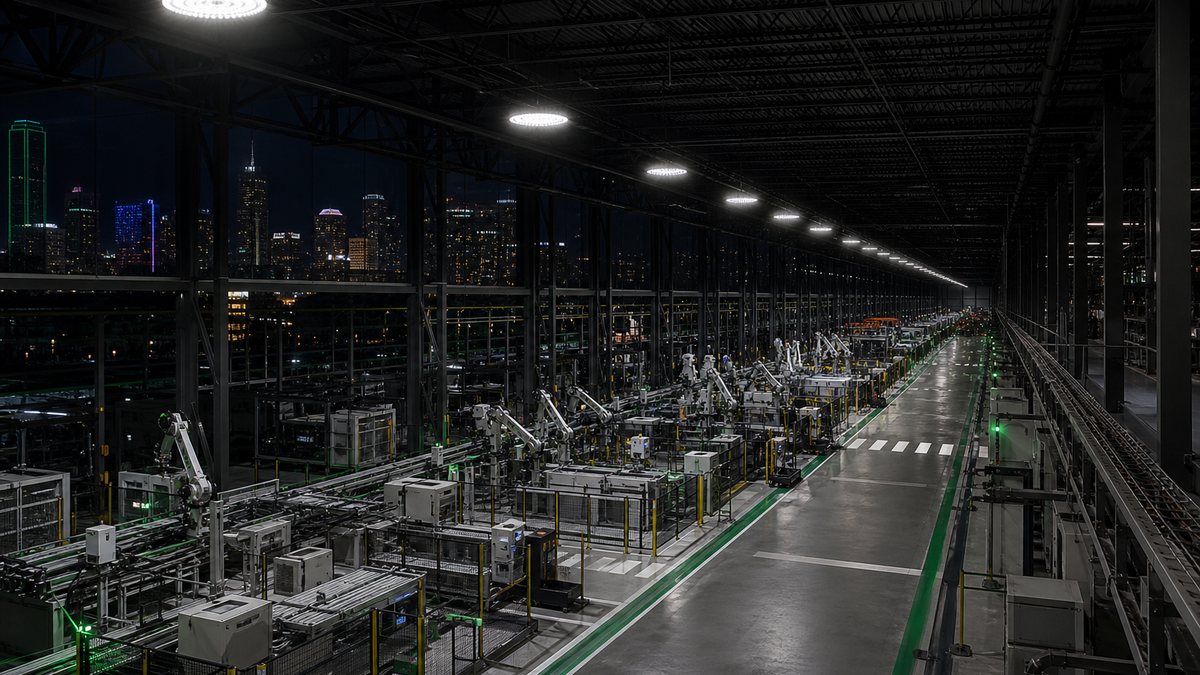
Industrial LED lighting in Dallas is no longer a simple bulb swap above the production floor. In a modern manufacturing plant, lighting affects inspection accuracy, worker safety around moving equipment, camera and machine-vision performance, energy budgets that run two or three shifts a day, and how quickly a facility can be reconfigured when a new line comes in. For plant managers, facility engineers, and industrial developers across Dallas–Fort Worth, getting it right is a production decision, not just a maintenance task.
DFW is building industrial space faster than almost anywhere in the country. That means new plants that need lighting designed from day one, and older plants that need to compete with them. This guide explains how big industrial lighting projects work: the zones inside a plant, the light levels and specs that matter, controls, special environments like washdown and hazardous areas, and how to upgrade a facility without stopping production. It is written for large properties — the same big-project approach behind our Luminance design-build program.
A complete industrial LED lighting plan for a Dallas manufacturing plant should cover:
- Production floor: high bay LED sized to the task — more light for fine assembly and inspection, less for bulk material handling
- Inspection & quality zones: high color rendering, low glare, and good vertical light on the part
- Special environments: fixtures rated for washdown, cold, heat, dust, or hazardous locations where required
- Controls: occupancy and daylight sensors plus scheduling — controls alone can cut a large share of the energy left after LED
- Site & exterior: truck courts, parking, yards, and building perimeter lighting for safety and security
- Energy impact: LED commonly uses 50–75% less energy than the metal halide and fluorescent systems it replaces
- Installation: phased by line, bay, or shift so the plant keeps producing
Why industrial lighting in DFW matters more now
North Texas has become one of the busiest industrial markets in the United States. According to a CRE Daily report on CommercialSearch data, Dallas had about 29.6 million square feet of industrial space under construction across 103 projects in 2026 — the largest industrial pipeline in the country. Much of that is logistics space, but the region also keeps adding advanced manufacturing, food and beverage processing, aerospace and defense suppliers, semiconductor supply-chain plants, and building-products factories.
That growth changes the lighting conversation in two ways. First, new buildings need lighting designed around the real process, not a generic warehouse grid. Second, existing plants in Dallas, Garland, Mesquite, Grand Prairie, Arlington, Fort Worth, and along the I-35 and I-20 corridors are competing for the same skilled workers and the same customers. A dim, uneven, flickering production floor makes recruiting harder, slows inspection, and wastes energy every hour the plant runs.
Lighting is also one of the few plant upgrades that pays back on several fronts at once: lower energy use, fewer maintenance lifts, fewer burned-out fixtures over moving equipment, better quality control, and a safer place to work.
In a multi-shift plant, the lights over the production floor may run more hours in a year than almost any other system in the building. That is why the strongest savings usually come from the high bays, the docks, and the 24/7 support areas — not from the front office.
Industrial LED lighting zone by zone
A manufacturing plant is several buildings in one. Each area has a different job, and each needs a different lighting answer.
Production floor and assembly lines
This is the heart of the plant and usually the biggest share of the fixture count. High bay LED fixtures are typically mounted 25 feet or more above the floor, while low bay fixtures serve lower ceilings and mezzanines. The right optics matter as much as the right wattage: narrow beams for tall, open bays, wider distributions for lower ceilings, and aisle optics where racks or equipment create corridors. The goal is even light at the work surface with no dark spots between fixtures and no harsh glare when workers look up at an overhead crane.
Inspection, quality control, and fine assembly
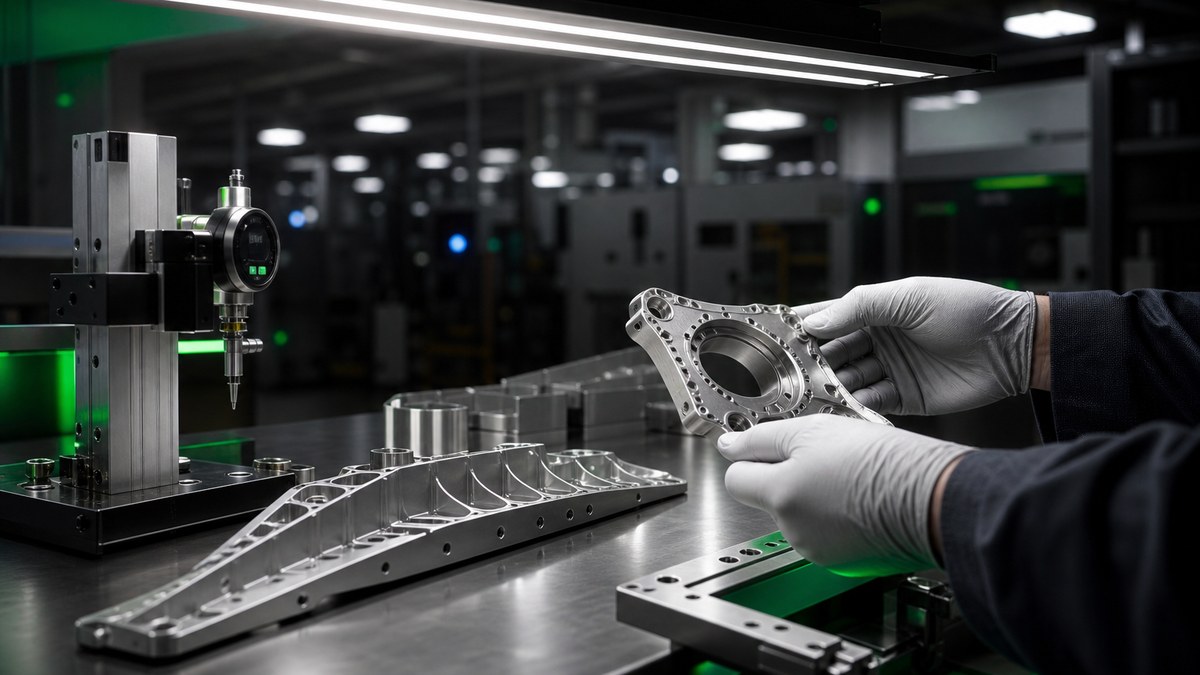
Quality zones need more light and better light. High color rendering helps inspectors see true colors, surface defects, and finish quality. Vertical light on the part — not just horizontal light on the floor — helps people see the sides of components. Glare control is critical, because an inspector staring at a shiny part under a bare, bright source will miss defects. Task lighting at stations often supplements the overhead system.
Machine-vision and camera areas
Many Dallas plants now rely on cameras for inspection, robot guidance, barcode reading, and security. LED drivers with poor flicker performance can cause banding and false reads. Specifying low-flicker drivers and consistent color across fixtures protects automated systems that the plant depends on.
Warehousing, staging, and rack aisles
Raw material and finished-goods storage inside a plant behaves like a distribution center. Here, vertical light on rack faces matters for reading labels and picking accurately. Aisle sensors that bring lights to full output only when a forklift or worker enters the aisle are one of the fastest-payback upgrades in any industrial building. For more on large storage and logistics space, see our guide to commercial LED retrofits for distribution centers and garages.
Loading docks and truck courts
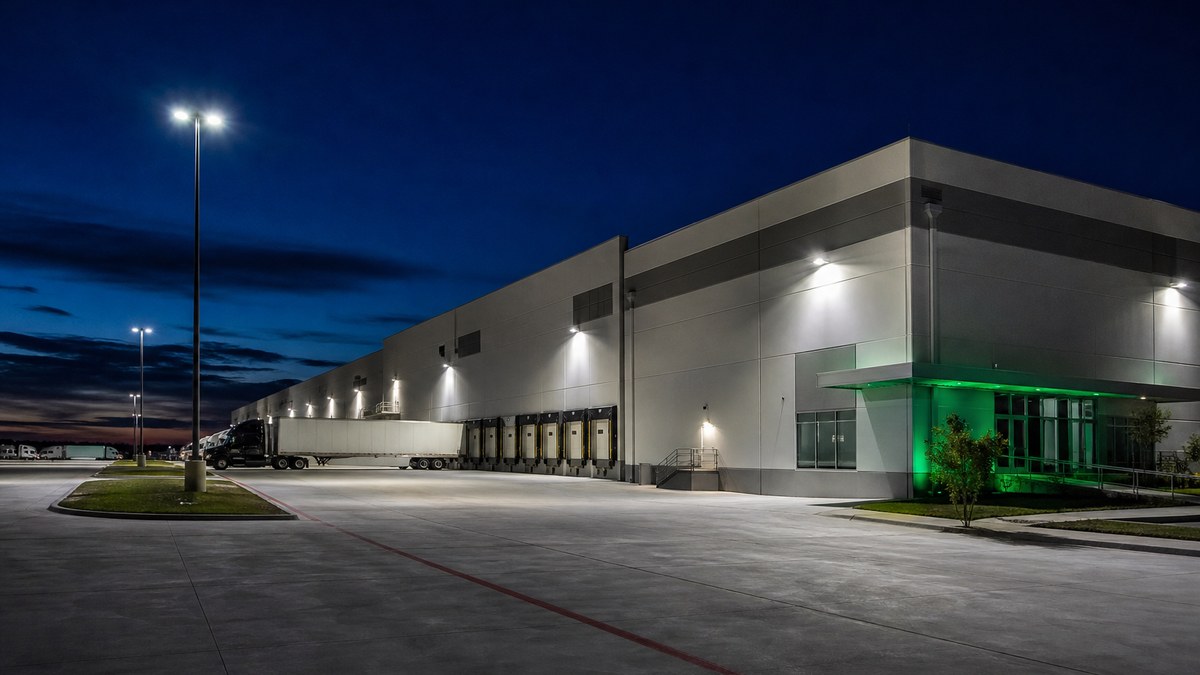
Docks are where interior and exterior meet. Dock lights help drivers and forklift operators see inside trailers, while exterior wall packs and pole lighting keep truck courts and yards safe after dark. Exterior fixtures should be fully shielded to put light on the ground, not into neighbors' windows or drivers' eyes.
Offices, break rooms, labs, and training rooms
Support spaces inside a plant are usually where energy codes require automatic shutoff and occupancy controls. Comfortable, glare-free LED panels with dimming make these spaces feel like part of a modern facility rather than an afterthought.
Site, parking, and perimeter security
Employee parking, walkways, gates, and fence lines run dusk to dawn. LED site lighting with full-cutoff optics and smart scheduling improves visibility for cameras and security staff while cutting energy. Our campus and site lighting guide covers large-site exterior lighting in more depth.
Light levels, specs, and what to ask for
Industrial lighting is guided by the Illuminating Engineering Society (IES) recommended practice for industrial facilities, known as RP-7, and the IES Lighting Handbook. The recommendations scale with how hard the visual task is. As general guidance, simple assembly and large-part work sits at the low end, medium-part manufacturing in the middle, and difficult, fine-detail assembly and inspection at the high end — often several times the light needed for bulk handling. OSHA also sets minimum illumination levels for some work areas, such as the minimums listed in OSHA 1926.56 for construction sites, but those minimums are a floor, not a design target.
A professional lighting design runs photometric calculations for the real space — ceiling height, rack layout, equipment, and surface reflectance — so the plant gets the right light in the right places instead of over-lighting everywhere. Beyond light levels, these are the specs we look at on every big industrial project:
- Uniformity: even light across the floor so workers' eyes are not constantly adjusting between bright and dark zones.
- Glare control: lenses, shielding, and mounting height chosen so overhead fixtures do not blind crane operators or inspectors.
- Color rendering (CRI): higher CRI for inspection, finishing, and paint areas; standard CRI is usually fine for bulk storage.
- Color temperature: neutral to cool white is common on production floors; warmer tones are often used in offices and break areas.
- Lumen maintenance: documented L70 or L90 ratings from tested data (LM-80 and TM-21) so the fixture still meets light levels years later.
- Thermal rating: fixtures rated for the real ceiling temperature, which in a Texas summer can be far hotter than the floor below.
- Surge protection: industrial power can be noisy; drivers with strong surge protection last longer.
- Flicker performance: low-flicker drivers protect cameras, machine vision, and worker comfort around rotating equipment.
For a deeper look at how big-project fixtures are specified and sourced, read our guide to design-build lighting in Dallas.
Industrial lighting plan at a glance
| Zone | Main Goal | Typical LED Approach | Controls |
|---|---|---|---|
| Production floor | Even, task-appropriate light | High bay or low bay LED with optics matched to ceiling height | Occupancy step-dimming, shift schedules |
| Inspection & fine assembly | Accuracy, defect detection | High-CRI, low-glare fixtures plus task lighting | Local switching, dimming |
| Machine-vision cells | Reliable camera reads | Low-flicker drivers, consistent color | Fixed scenes, no unexpected dimming |
| Storage & rack aisles | Label reading, safe picking | Aisle optics with good vertical light | Aisle occupancy sensors |
| Washdown & food processing | Sanitation, durability | Sealed, high-IP, food-safe-rated fixtures | Sensors rated for washdown |
| Cold storage & freezers | Light without heat | Cold-rated LED (LED performs well in cold) | Occupancy sensors at doors and aisles |
| Hazardous locations | Safety and code compliance | Fixtures listed for the specific hazardous classification | Controls rated for the area |
| Docks, yards & parking | Safety, security, neighbors | Full-cutoff wall packs and pole lights | Astronomical clock, motion dimming |
Special environments: washdown, cold, heat & hazardous areas
One reason industrial projects are different from office or retail work is that many plants include environments that will destroy an ordinary fixture.
Food and beverage processing
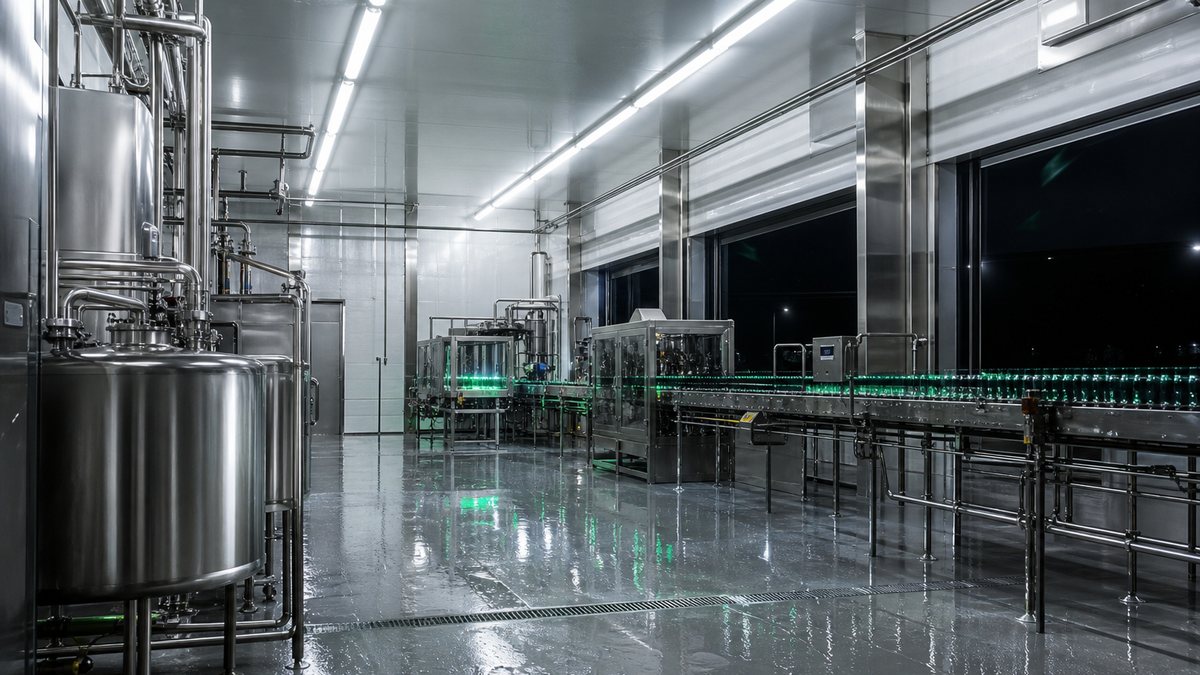
Food plants wash down equipment and surfaces with high-pressure water and cleaning chemicals. Fixtures in those zones need sealed housings with high ingress protection ratings, smooth surfaces that do not trap debris, lenses that will not shatter into product, and materials that stand up to the plant's specific chemicals. Fixture choices should be checked against the plant's sanitation program and the cleaning chemical data sheets.
Cold storage and freezers
LED is a natural fit for cold environments because it starts instantly and does not lose output in the cold the way some older technologies do. It also adds less heat to the space, which means refrigeration equipment works less. Sensors at freezer doors and aisles keep light on only where people are working.
High-heat areas
Foundries, ovens, heat-treat lines, and the top of an uninsulated Texas building in August can all push fixtures well beyond normal ambient ratings. Specifying fixtures and drivers for the actual ceiling temperature — sometimes with remote-mounted drivers — prevents early failures over equipment that is expensive to shut down for repairs.
Hazardous (classified) locations
Paint booths, fuel and chemical handling, grain and dust-producing processes, and some battery and electronics operations may be classified hazardous locations under the National Electrical Code. Fixtures in those areas must be listed for the exact classification, and installation must follow code. This is not an area for substitutions; the lighting plan should be coordinated with the plant's safety team and engineer of record.
One partner for your entire plant
Audit, photometric design, fixture specification and sourcing, installation, controls, and ongoing service — handled end to end for manufacturing plants, industrial campuses, and large commercial properties across Dallas–Fort Worth.
Controls: where industrial plants find the next round of savings
Switching from metal halide or fluorescent to LED is the first big step. Controls are the second. In a large industrial building, many areas are empty for part of every shift: rack aisles, mezzanines, storage zones, back corners of the plant, and entire bays on weekends. Lighting those spaces at full output all the time wastes a large share of the remaining energy.
A U.S. Department of Defense ESTCP field demonstration of networked LED high bay lighting, summarized by Fraunhofer USA, reported a 93% energy reduction in the high bay lighting systems tested and a 43% reduction compared with uncontrolled LEDs. Results vary by building and operating schedule, but the lesson is clear: in big industrial spaces, LED plus controls beats LED alone.
- Occupancy step-dimming: fixtures drop to a low level when an area is empty and return to full output when someone enters.
- Daylight harvesting: fixtures near skylights, clerestories, and dock doors dim automatically when daylight is available.
- Shift scheduling: lighting follows the production schedule, with automatic shutoff after the last shift.
- High-end trim: new LED systems are often brighter than needed on day one; tuning the maximum output saves energy without anyone noticing.
- Energy monitoring: networked systems report energy use and fixture status by zone, which helps engineering teams and sustainability reporting.
Controls must be commissioned properly to work in a plant. Sensors need to be placed where they can see forklifts and workers, timeouts must match the process, and any area with moving equipment or safety concerns needs clear rules about minimum light levels. Learn more in our guide to networked lighting controls for large properties.
How to upgrade a plant without stopping production
The first question every plant manager asks is how much downtime a lighting project will cause. With the right plan, the answer is very little. Big industrial lighting projects are built around the production schedule.
- Manufacturing lighting audit: a zone-by-zone survey of fixtures, mounting heights, light levels, run hours, controls, and problem areas. Our step-by-step guide to big-property lighting audits explains how this works, and the commercial lighting audit page covers what you receive.
- Photometric design: fixture layouts and light-level calculations for each zone, including special environments and future line changes.
- Mockup or pilot bay: one bay or line upgraded first so production, quality, and safety teams can sign off on the result.
- Phasing plan: work scheduled by bay, line, or shift — often during planned maintenance shutdowns, weekends, or overnight — with lift paths planned around equipment.
- Installation: crews that follow plant safety rules, lockout/tagout procedures, and site-specific training requirements.
- Commissioning: every sensor, schedule, and zone tested and tuned before handover, with light levels verified against the design.
- Training and service: maintenance staff learn the system, and documentation is handed over for future line changes.
Energy savings and incentives
Industrial plants are one of the strongest candidates for LED because of long operating hours, tall ceilings, and high-wattage legacy fixtures. Replacing metal halide and fluorescent high bays with LED commonly reduces lighting energy use by 50–75%, and controls can push savings further. LED also reduces heat added to the building, which can help cooling loads in a Texas summer, and it eliminates much of the lift work needed to replace lamps over equipment.
Commercial and industrial properties in the Dallas area may qualify for utility energy-efficiency incentive programs, such as those offered through Oncor, depending on the project and program availability. Many programs require pre-approval before old fixtures are removed, so the audit and application should come before installation.
Every plant is different, so we do not publish one-size-fits-all pricing. Costs depend on building size, ceiling heights, special environments, controls, and phasing. Tell us about your facility and we will prepare a project-specific proposal through our project quote form, or see the full range of commercial lighting services.
What makes Dallas industrial projects different
Heat at the ceiling
North Texas summers push roof-deck temperatures far above what workers feel on the floor. Fixtures and drivers rated only for mild conditions fail early when they are mounted near a hot metal deck. Thermal ratings deserve real attention on every Dallas industrial specification.
Severe storms and power quality
Spring storms, lightning, and utility switching can send surges through a facility's electrical system. Strong driver surge protection and good electrical practices protect a large fixture investment.
Speed of new construction
With so much industrial space under construction in DFW, tenants often move into shell buildings with basic lighting and then need upgrades for their actual process. Planning lighting during tenant improvement — before racks and equipment go in — is far easier than retrofitting around a running line.
Large, multi-building campuses
Many North Texas manufacturers run several buildings on one site, plus offices, labs, yards, and parking. One lighting plan and one control platform across the whole campus makes maintenance and energy reporting much simpler. If you are adding temporary or modular space during an expansion, our network partners at Dallas modular structures can help.
Choosing an industrial lighting partner in Dallas
Many crews can hang a high bay. Fewer can design, specify, phase, and commission lighting for a large plant without disrupting production. Look for a partner who can show you:
- Large-project experience — plants, distribution centers, venues, and multi-building campuses
- Photometric design — calculated light levels for each zone, not a fixture-for-fixture swap
- Special-environment knowledge — washdown, cold, high heat, and hazardous locations
- Controls expertise — sensors, scheduling, and networked systems that are commissioned properly
- Safety culture — crews that work to plant safety programs around moving equipment
- Ongoing service — support after installation and documentation for future line changes
Dallas LED Lights brings 15+ years as an authorized architectural lighting dealer and project coordinator. Our licensed installation partner has completed over 200 major sports and commercial projects across the US and Canada — NFL, NBA, NHL, MLS, NCAA and NASCAR. We are not a manufacturer: we specify and source the right fixtures for each project and coordinate the work from audit to service. Learn more about our team and our full services.
Industrial plants are one part of a bigger picture. The same approach applies to stadiums and arenas, high-rise facades, and commercial buildings in Dallas. If your facility shows the warning signs it needs a lighting audit, that is the place to start. You can also read our complete guide to LED lighting in Dallas.
Industrial LED lighting Dallas: frequently asked questions
How much energy can a manufacturing plant save with LED lighting?
Can a plant upgrade its lighting without stopping production?
How much light does a manufacturing floor need?
What is the difference between high bay and low bay lighting?
What lighting is used in food processing plants?
Does LED work in cold storage and freezers?
What about lighting in hazardous locations?
Do industrial lighting upgrades qualify for incentives in Dallas?
How much does an industrial lighting project cost?
Is Dallas LED Lights a lighting manufacturer?
Planning an industrial or manufacturing lighting upgrade?
Tell us about your plant. We will review it and send a clear, project-specific proposal covering audit, design, fixtures, controls, installation, and phasing around production.
Related services
Our partner network covers large projects across Texas and beyond: Fort Worth LED lighting, commercial LED lighting in Arlington, LED lighting in Plano, Irving LED lighting services, Texas-wide LED lighting, and wholesale LED solutions, plus fiber optic lighting solutions, modular building solutions, and modular structures in Dallas. For plant signage and pylons, see American LED Signage.