Architectural LED Lighting for Dallas Commercial Buildings: The Complete Guide
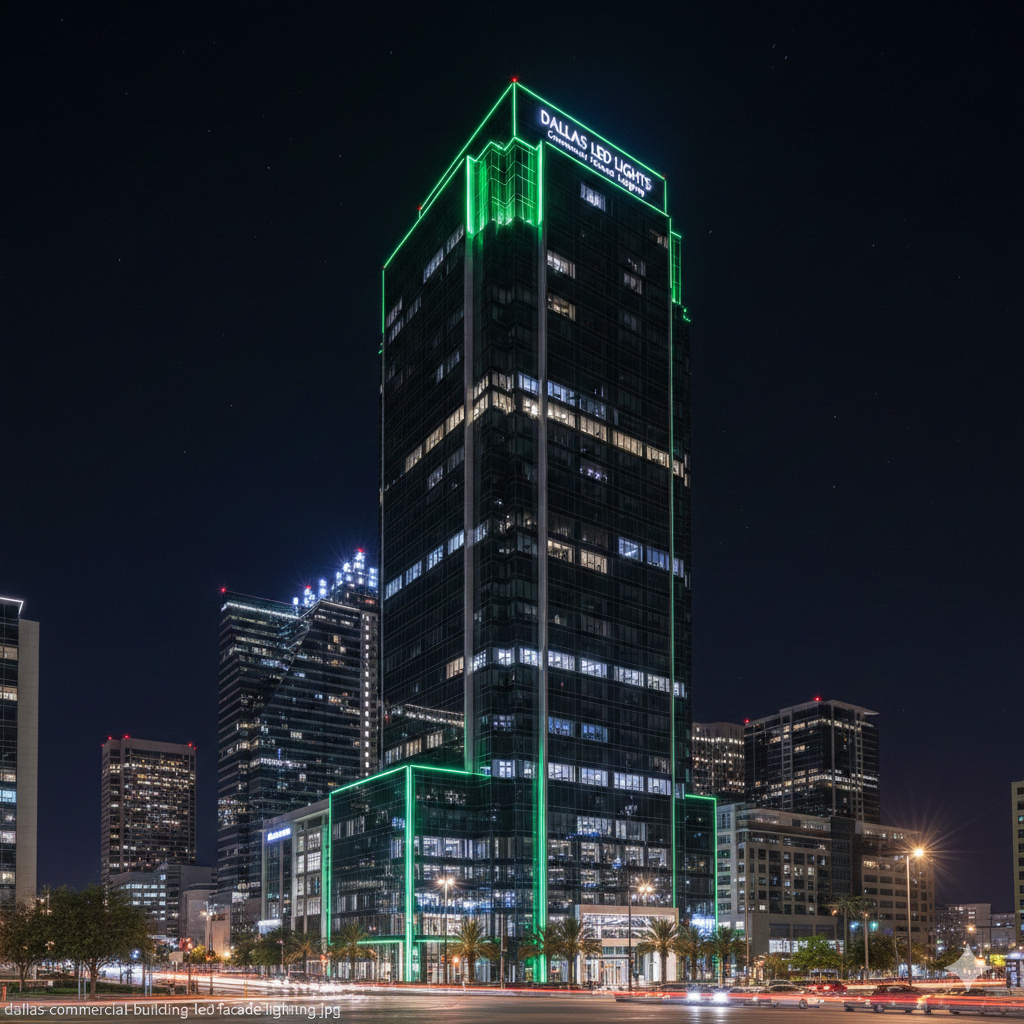
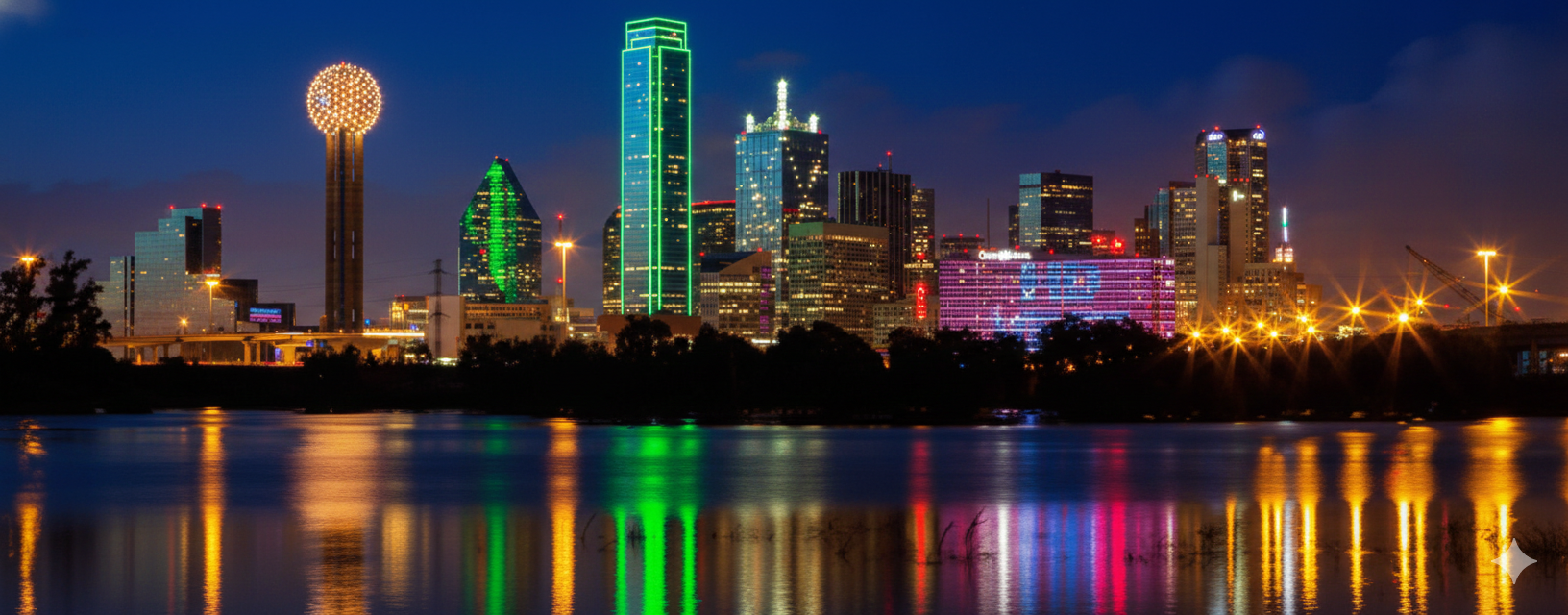
Drive through downtown Dallas at night and you'll notice something: the buildings that command attention aren't just tall—they're lit. Architectural LED lighting transforms ordinary commercial properties into landmarks that clients remember, tenants value, and competitors envy.
If you're searching for "LED Dallas near me" or "commercial LED lighting Dallas," you're likely a building owner, property manager, or developer who understands that modern commercial spaces require more than basic illumination. You need lighting that makes a statement—facade uplighting that showcases your architecture, video walls that impress visitors in your lobby, and integrated systems that work together seamlessly.
This guide covers everything you need to know about architectural LED lighting for Dallas commercial buildings. You'll learn about facade lighting techniques, interior solutions for lobbies and common areas, video wall integration, fiber optic applications, realistic costs, and how to choose the right LED lighting partner for large-scale projects in the Dallas-Fort Worth metroplex.
⚡ Quick Answer: What Is Architectural LED Lighting?
Architectural LED lighting uses strategically placed LED fixtures to enhance a building's appearance, highlight structural features, and create memorable visual experiences. Unlike basic commercial lighting (which simply illuminates spaces), architectural lighting transforms how people perceive and interact with your property.
Key Takeaways:
- Facade lighting can increase perceived property value by 10-20% and improve nighttime visibility for branding
- LED systems use 75% less energy than traditional lighting with 50,000+ hour lifespans (10+ years)
- Commercial projects range from $15,000 to $500,000+ depending on building size and complexity
- Video walls and digital signage in lobbies grab attention 81% more effectively than static displays
- Complete solutions combine facade lighting, interior design, video walls, fiber optics, and smart controls
What Is Architectural LED Lighting for Commercial Buildings?
Architectural LED lighting goes far beyond standard illumination. It's the art and science of using light to enhance your building's design, communicate your brand identity, and create experiences that visitors remember.
For Dallas commercial buildings, architectural lighting typically includes exterior facade lighting (uplighting, downlighting, accent lighting), interior feature lighting for lobbies and common areas, video wall installations for high-impact visual displays, landscape and perimeter lighting, and digital signage integration.
Why Dallas Building Owners Are Investing in Architectural LED
The Dallas-Fort Worth commercial real estate market is competitive. Class A office buildings, hotels, corporate headquarters, and mixed-use developments all compete for tenants and customers. Architectural LED lighting provides a measurable competitive advantage.
Well-designed lighting increases curb appeal and perceived property value. It improves safety and security around your building's perimeter. LED systems reduce energy consumption by 50-75% compared to legacy lighting. Modern fixtures last 50,000 to 100,000 hours, dramatically cutting maintenance costs. Perhaps most importantly, your building becomes a nighttime landmark that reinforces brand identity.
Building Facade LED Lighting Techniques
Facade lighting is the most visible form of architectural LED lighting. Done well, it transforms how your building appears after dark. Done poorly, it wastes energy and creates visual clutter. Here's what works.
Uplighting
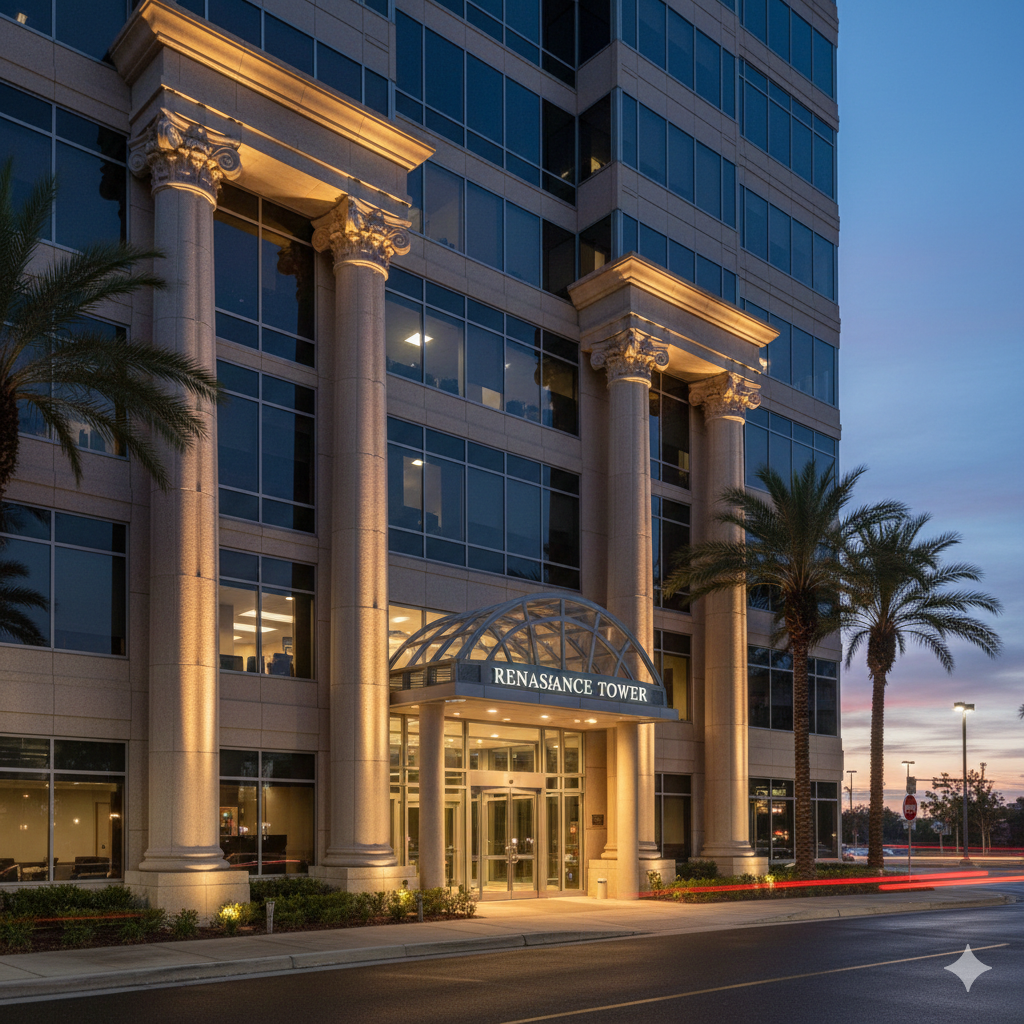
Uplighting places fixtures at ground level, angling light upward to wash across your building's exterior. This technique emphasizes vertical elements like columns, towers, and tall facades. For Dallas buildings, uplighting creates dramatic effects that are visible from surrounding streets and highways.
The best uplighting installations use fixtures with adjustable beam angles (typically 30° to 90°). Narrower beams create focused columns of light, while wider distributions provide an even wash. Ground-recessed fixtures maintain a clean look during daylight hours.
Downlighting
Downlighting mounts fixtures above and aims them downward, illuminating entrances, walkways, and lower facade elements. This technique minimizes glare for pedestrians while providing functional illumination.
For commercial buildings with overhangs, canopies, or parking structures, downlighting provides both safety and aesthetic benefits. It's especially effective for highlighting entryways and signage.
Wall Washing and Grazing
Wall washing floods a surface with even illumination, emphasizing the overall shape and scale of your building. Grazing places fixtures close to the wall surface, creating shadows that reveal texture—perfect for brick, stone, or architectural concrete.
Many Fort Worth commercial LED lighting projects combine both techniques: wall washing on smooth surfaces and grazing on textured materials.
Accent Lighting
Accent lighting focuses on specific architectural features—entrances, logos, signage, ornamental details, or unique structural elements. Spotlights and narrow-beam fixtures draw the eye to these focal points.
For hotels, retail centers, and hospitality venues, accent lighting reinforces brand identity. A well-lit entrance communicates quality and attention to detail before visitors even step inside.
RGBW Color-Changing Systems
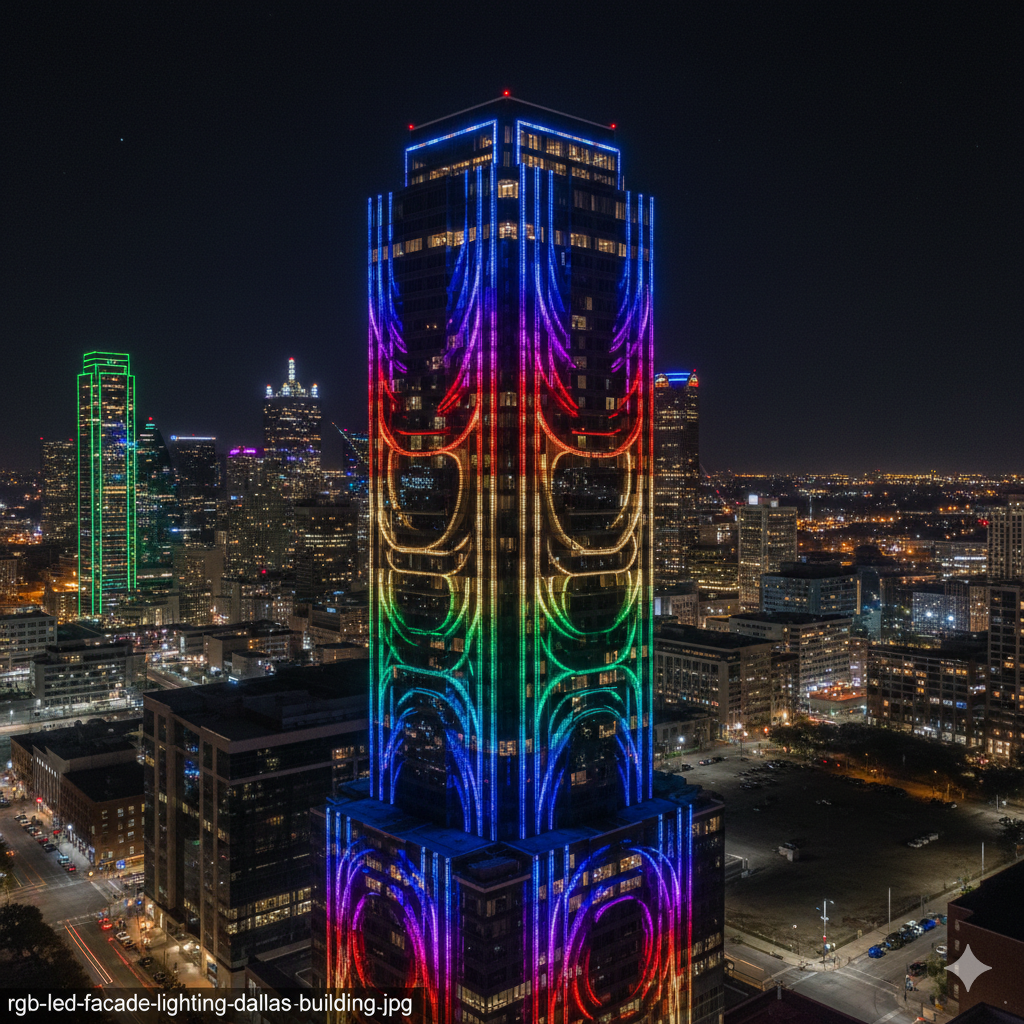
RGB (red, green, blue) and RGBW (adding white) LED systems enable dynamic color-changing effects. Dallas buildings use these for seasonal displays, special events, corporate branding, and creating unique nighttime identities.
Modern DMX-controlled systems allow precise programming of colors, transitions, and effects. This flexibility transforms a static building into a dynamic visual experience.
Interior Architectural LED Lighting for Dallas Buildings
Your building's interior spaces deserve the same design attention as the exterior. Lobbies, atriums, conference centers, and common areas create lasting impressions on visitors, tenants, and employees.
Lobby and Entrance Lighting
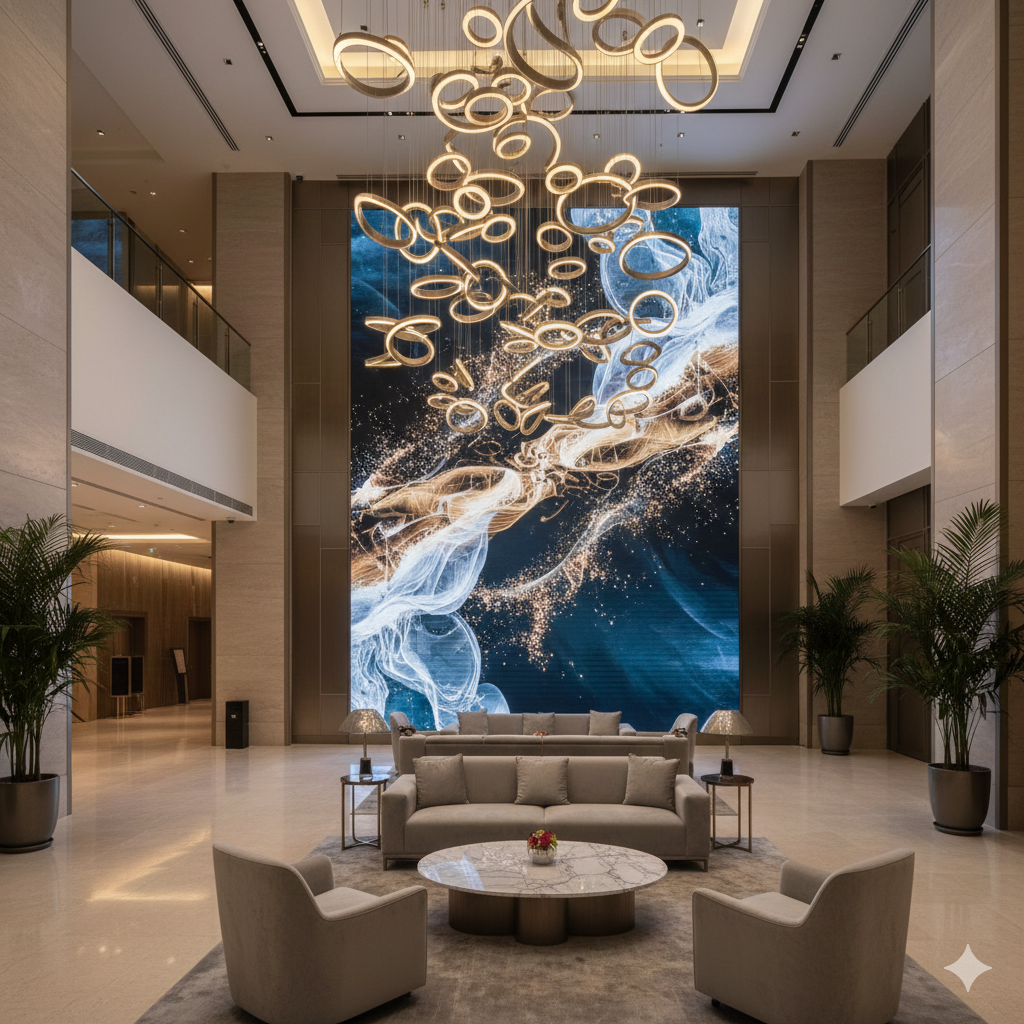
The lobby is where first impressions happen. Architectural lighting in lobbies balances ambient illumination with accent features—statement chandeliers, cove lighting, wall sconces, and decorative pendants.
For corporate headquarters and Class A office buildings, lobby lighting should reflect brand identity while creating a welcoming atmosphere. Color temperature matters: warm whites (2700K-3000K) create inviting spaces, while neutral whites (3500K-4000K) support productivity and alertness.
Video Walls and Digital Displays
LED video walls have revolutionized commercial lobbies. These seamless, high-brightness displays showcase brand content, welcome visitors, provide wayfinding information, and create immersive experiences.
Dallas LED Lights installs professional video walls for corporate environments, hospitality venues, command centers, and conference rooms. Modern direct-view LED technology eliminates bezels for a truly seamless canvas, with brightness levels that perform even in sunlit spaces.
Video walls grab attention 81% more effectively than static displays, making them ideal for corporate messaging, digital art installations, and visitor engagement.
Cove and Accent Lighting
Cove lighting tucks LED strips into architectural recesses, creating indirect illumination that adds depth and dimension. This technique works beautifully in lobbies, hallways, and common areas throughout Plano and Irving commercial properties.
Accent lighting highlights artwork, architectural features, or branded elements within interior spaces. Track lighting and adjustable spotlights provide flexibility for galleries, showrooms, and retail environments.
Specialty LED Applications for Dallas Commercial Properties
Beyond traditional architectural lighting, several specialty applications create unique visual experiences.
Fiber Optic Lighting Systems
360° fiber optic lighting systems offer revolutionary applications for pools, water features, and architectural installations. These systems are waterproof, produce no heat at the light point, and create effects impossible with traditional LED.
For Dallas hotels, resorts, and hospitality venues with pools or water features, fiber optic lighting transforms nighttime experiences. The technology is 3x brighter than standard LED ribbon and offers precise color control.
Starlight Ceilings
Starlight ceiling installations create dramatic overhead displays for theaters, restaurants, hospitality venues, and luxury residences. Thousands of fiber optic points create realistic star field effects that transform ceilings into nighttime skies.
Pool and Water Feature Lighting
Commercial pools at hotels, apartments, and fitness centers benefit from premium LED pool lighting. Modern LED pool lights are energy-efficient, long-lasting, and available in color-changing options that enhance evening ambiance.
Digital Signage Integration
Architectural LED projects often include digital signage—exterior LED displays for building identification, advertising, or tenant directories. These integrate with overall lighting design to create cohesive visual presentations.
LED vs. Traditional Commercial Lighting: Complete Comparison
Understanding how LED compares to legacy lighting technologies helps justify the investment in architectural LED systems.
| Factor | LED Lighting | Metal Halide/HID | Fluorescent |
|---|---|---|---|
| Energy Efficiency | 75-90% less energy consumption | Baseline (high consumption) | 30-40% less than HID |
| Lifespan | 50,000-100,000 hours | 10,000-20,000 hours | 20,000-30,000 hours |
| Maintenance | Minimal (5-10+ years) | Annual relamping typical | Every 2-3 years |
| Color Rendering (CRI) | 90+ CRI available | 65-70 CRI typical | 70-85 CRI |
| Warm-Up Time | Instant on | 5-15 minutes | 30 seconds - 3 minutes |
| Dimming Capability | Full range (0-100%) | Limited or none | Requires special ballasts |
| Smart Controls | Full integration capability | Limited | Limited |
| Heat Output | Low (efficient) | High (affects HVAC) | Moderate |
| Environmental | No mercury, recyclable | Contains mercury | Contains mercury |
Architectural LED Lighting Costs in Dallas: What to Expect
Commercial LED lighting costs vary significantly based on project scope, building size, fixture quality, and design complexity. Here's realistic pricing for Dallas-area projects.
| Project Type | Typical Cost Range | Key Variables |
|---|---|---|
| Basic Facade Uplighting (small building) | $15,000 - $40,000 | Number of fixtures, height, access |
| Comprehensive Facade Lighting (mid-size) | $50,000 - $150,000 | Multiple techniques, controls, RGBW |
| Large-Scale Facade (high-rise/complex) | $150,000 - $500,000+ | Building size, dynamic systems, custom design |
| Lobby Video Wall (per installation) | $30,000 - $200,000+ | Size, pixel pitch, content system |
| Interior Architectural Lighting | $3.20 - $8.00/sq ft | Fixture quality, design complexity |
| Parking/Security Lighting | $100 - $350 per fixture installed | Fixture type, pole requirements |
| Landscape LED Lighting | $2 - $8/sq ft | Path lights, accent, tree lighting |
| Fiber Optic Systems | $20,000 - $100,000+ | Application, custom requirements |
Factors That Affect Your Project Cost
Building Size and Height: Larger buildings require more fixtures, longer cable runs, and potentially specialized equipment for installation (lifts, scaffolding). Taller facades may require higher-output fixtures to achieve adequate illumination.
Design Complexity: Simple wall washing costs less than multi-layer designs combining uplighting, accent lighting, and color-changing systems. Custom photometric layouts and professional lighting design add upfront costs but ensure optimal results.
Fixture Quality: Commercial-grade, DLC-listed fixtures from reputable manufacturers cost more initially but offer better performance, longer warranties, and lower total cost of ownership. Cheap fixtures fail prematurely and often don't qualify for rebates.
Control Systems: Basic on/off controls cost less than sophisticated DMX, DALI, or smart building integration. However, advanced controls enable energy savings, scheduling, and dynamic effects that justify the investment.
Access and Installation: Easy ground-level installations cost less than work requiring lifts, scaffolding, or coordination with building operations. Historic buildings or complex facades may require specialized approaches.
Understanding ROI and Payback
Most commercial LED projects achieve payback within 1.5 to 3 years through energy savings alone. Factor in reduced maintenance costs (fewer relamping events, lower labor costs) and the payback improves further.
For example, a 100,000 square foot warehouse replacing 400W metal halide fixtures with 150W LED high bays might save $50,000+ annually in energy costs. At a project cost of $75,000, the payback period is under 18 months—with 8+ years of additional savings to follow.
Additionally, the federal Section 179D tax deduction allows qualifying commercial building lighting projects to claim up to $5 per square foot in deductions when meeting energy efficiency standards. Texas utility rebates through providers like Oncor can offset 20-50% of upfront costs for qualifying LED retrofits.
How to Choose an Architectural LED Lighting Partner in Dallas
Large-scale lighting projects require experienced partners who understand both the technical and aesthetic aspects of architectural illumination.
What to Look For
Complete Capabilities: The best partners handle everything—lighting design, product specification, installation, controls programming, and ongoing support. Look for companies that offer video walls, fiber optics, and digital signage alongside traditional architectural lighting.
Local Experience: Texas LED lighting specialists understand local building codes, utility rebate programs, and the unique challenges of the DFW climate. They maintain relationships with local electrical contractors and can navigate permitting efficiently.
Design Expertise: Architectural lighting is as much about design as technology. Partners should provide photometric layouts showing expected light levels, fixture placement recommendations, and visualization of the finished project.
Quality Products: Insist on commercial-grade, DLC-listed or ENERGY STAR-certified fixtures with minimum 5-year warranties. Reputable partners work with established manufacturers and stand behind their installations.
Project Portfolio: Ask for examples of completed projects similar to yours. References from building owners and property managers provide valuable insight into the partner's capabilities and reliability.
Red Flags to Avoid
Be cautious of contractors who can't provide detailed proposals with fixture specifications, those pushing proprietary systems that lock you into single-source maintenance, extremely low bids that likely indicate inferior products or inexperienced installers, and companies without verifiable local references or project history.
Frequently Asked Questions: Architectural LED Lighting in Dallas
Complete LED Solutions for Dallas Commercial Buildings
Architectural LED lighting transforms commercial properties from functional structures into memorable landmarks. Whether you're enhancing a building facade, creating an impressive lobby experience, or integrating video walls and digital signage, the right lighting partner makes all the difference.
Dallas LED Lights provides complete LED solutions for commercial buildings throughout the Dallas-Fort Worth metroplex. Our services include architectural facade lighting design and installation, LED video wall systems for lobbies and corporate environments, fiber optic lighting systems for pools and specialty applications, starlight ceiling installations, digital signage integration, and commercial LED retrofits for warehouses, offices, and industrial facilities.
We also serve surrounding communities through our network including Arlington LED Lights, Fort Worth LED Lights, Plano LED Lights, and Irving LED Lights. For wholesale solutions, Texas LED Lights and Wiedamark LED provide commercial-grade products for contractors and large-scale projects.
With over 15 years of experience and more than 1,000 successful installations, we bring expertise, quality products, and professional execution to every project.
Ready to Transform Your Dallas Commercial Building?
Schedule your free consultation and discover how architectural LED lighting can elevate your property.
📞 (702) 738-2218