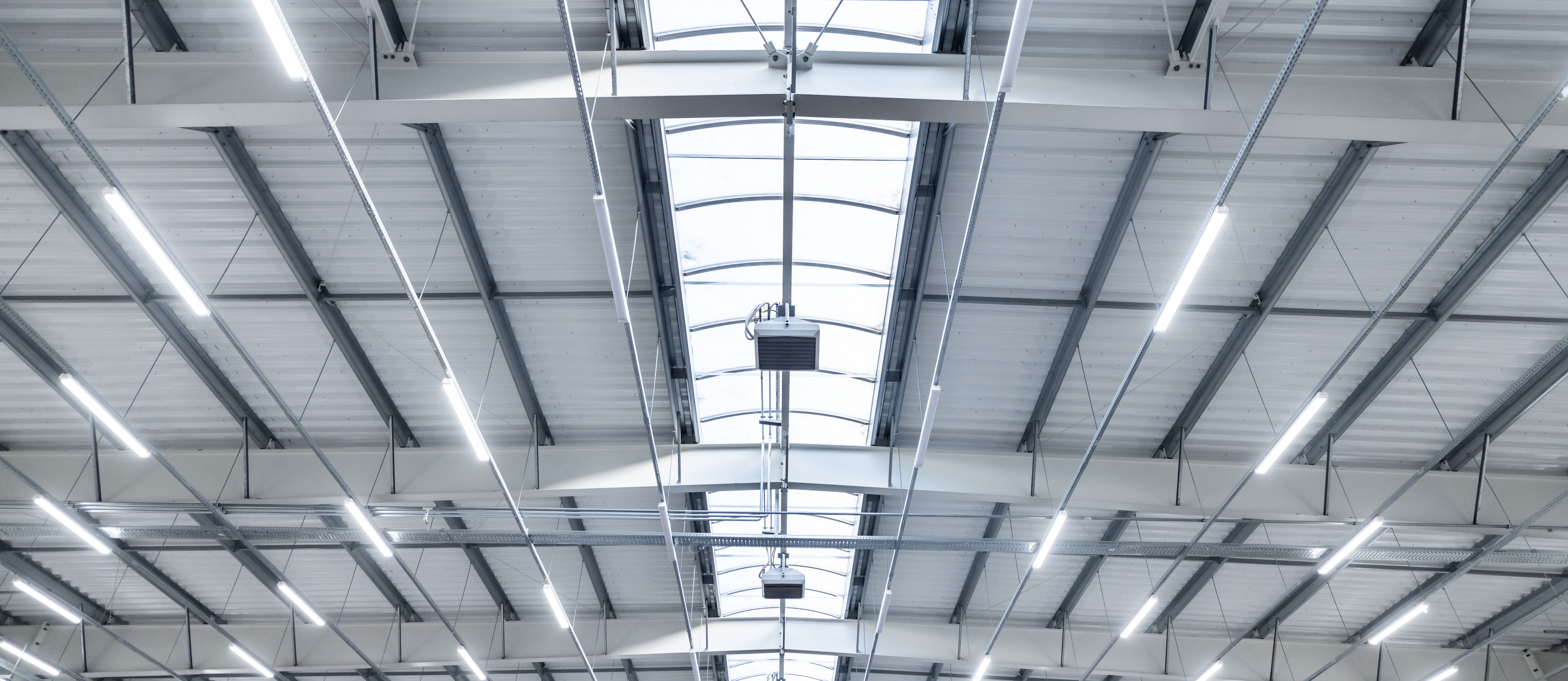
Here's a question that stumps most property managers, facility directors, and building owners:
"What is your building's lighting supposed to look like?"
If you can't answer that question confidently — describing exactly which fixtures should be where, what color temperature each zone should be, and which lights are currently underperforming — you're not alone. But you might also be losing thousands of dollars every month without knowing it.
A commercial lighting audit is the solution. It's a comprehensive assessment that documents your entire lighting infrastructure, identifies problems, and creates a baseline record of what "normal" should look like for your property.
But how do you know if you actually need one? Here are the 7 warning signs that indicate your building is overdue for a professional lighting assessment.
The 7 Warning Signs You Need a Lighting Audit
Your Energy Bills Keep Climbing — But Nothing Has Changed
If your electricity costs have increased by 10% or more over the past year without any operational changes, your lighting system is likely the culprit. Aging fixtures, failing ballasts, and inefficient lamps consume significantly more power than properly functioning LED systems. A lighting audit identifies exactly where energy is being wasted and calculates the ROI of upgrading specific fixtures.
You're Constantly Replacing Bulbs and Fixtures
Are your maintenance crews replacing the same lights over and over? Frequent failures indicate systemic problems — incorrect voltage, poor quality components, environmental factors, or simply fixtures that have reached end-of-life. An audit documents failure patterns and recommends solutions that break the cycle of constant replacements.
Parts of Your Building Feel "Off" — Too Dark, Too Harsh, or Inconsistent
Walk through your building. Are there areas that feel uncomfortably dim? Zones where the lighting color looks wrong compared to adjacent spaces? Corridors where fixtures flicker or buzz? These aren't just aesthetic issues — they impact tenant satisfaction, employee productivity, and even safety. Audits map these problem areas and specify exactly what's needed to fix them.
You've Acquired or Inherited a Property
When you take over management of a building, the previous team's lighting knowledge walks out the door with them. What fixtures are installed? When were they last serviced? What's the warranty status? Which areas have been upgraded and which haven't? A commercial lighting audit creates the documentation that should have existed all along.
You Have No Lighting Documentation
Can you pull up a complete inventory of every fixture in your building? Do you know the exact specifications — wattage, color temperature, beam angle, manufacturer, installation date — for each lighting zone? If not, you're flying blind. An audit creates this critical baseline documentation, making future maintenance, upgrades, and warranty claims infinitely easier.
Your Building is 10+ Years Old and Still Has Original Lighting
LED technology has advanced dramatically over the past decade. If your building still runs on fluorescent tubes, metal halide, or early-generation LEDs, you're almost certainly paying more in energy and maintenance than necessary. An audit quantifies exactly how much you're overspending and prioritizes which areas to upgrade first for maximum ROI.
Tenants or Employees Are Complaining
Lighting complaints are often dismissed as subjective or low-priority. But persistent complaints about headaches, eye strain, difficulty reading, or just "something feels wrong" are real signals that your lighting isn't meeting human needs. A professional audit uses objective measurements — not just opinions — to identify and solve these issues.
Recognize Any of These Warning Signs?
Dallas LED Lights offers comprehensive commercial lighting audits for hotels, hospitals, warehouses, offices, and commercial properties throughout the Dallas-Fort Worth metroplex.
Learn About Our Lighting Audits → 📞 Call (702) 738-2218What Happens During a Commercial Lighting Audit?
A professional LED lighting audit isn't just someone walking through your building with a clipboard. It's a systematic assessment that delivers actionable intelligence about your lighting infrastructure.
Here's what a comprehensive audit includes:
Complete Lighting Audit Deliverables
- Fixture Inventory: Every light documented with location, type, wattage, and condition
- Performance Assessment: Identification of failed, failing, and underperforming fixtures
- Energy Analysis: Current consumption vs. potential savings with upgrades
- Light Level Measurements: Objective foot-candle readings throughout the building
- Color Temperature Mapping: Identification of mismatched or incorrect color temperatures
- Photo Documentation: Visual record of current conditions and problem areas
- Prioritized Recommendations: Which upgrades to do first based on ROI and urgency
- Budget Estimates: Realistic cost projections for recommended improvements
The result is a complete picture of your lighting infrastructure — what you have, what's working, what isn't, and what to do about it.
Who Needs a Commercial Lighting Audit?
While any commercial building can benefit from a lighting audit, certain property types see the greatest return:
Hotels & Hospitality
Guest experience depends heavily on lighting ambiance. Audits identify inconsistencies between rooms, worn-out lobby fixtures, and opportunities to reduce energy costs across hundreds of rooms.
Hospitals & Healthcare Facilities
Lighting affects patient outcomes, staff alertness, and regulatory compliance. Audits ensure lighting meets healthcare standards while optimizing energy efficiency.
Warehouses & Industrial Facilities
High ceilings, 24/7 operations, and harsh environments make warehouse lighting particularly prone to failures. Audits identify safety issues and calculate massive potential energy savings.
Office Buildings & Corporate Campuses
Employee productivity and tenant satisfaction depend on proper lighting. Audits address complaints, reduce energy costs, and plan for future upgrades.
Retail Stores & Shopping Centers
Lighting directly impacts sales. Audits ensure product displays are properly illuminated and identify fixtures that have drifted from original design intent.
Stadiums & Entertainment Venues
Complex architectural lighting, broadcast requirements, and high-visibility applications demand precise documentation and maintenance planning.
💡 Pro Tip
The best time to schedule a lighting audit is before problems become emergencies. Proactive audits give you time to budget for upgrades, negotiate with vendors, and plan installations during low-impact periods.
The ROI of a Commercial Lighting Audit
Property managers often hesitate to invest in an audit, viewing it as an unnecessary expense. But consider what you gain:
- Immediate cost savings by identifying quick-fix issues (wrong bulbs, failed sensors, etc.)
- Long-term energy reduction of 50-70% when audit recommendations are implemented
- Reduced maintenance costs by replacing failure-prone fixtures before they cascade
- Warranty protection through proper documentation of what's installed
- Improved tenant/employee satisfaction by addressing lighting complaints with data
- Baseline documentation that makes future decisions faster and smarter
Most commercial lighting audits pay for themselves within months through identified savings — and the documentation remains valuable for years.
Frequently Asked Questions
What is a commercial lighting audit?
How much does a commercial lighting audit cost?
How often should commercial buildings have a lighting audit?
What buildings benefit most from lighting audits?
Take Control of Your Building's Lighting
If you recognized your building in any of the warning signs above, it's time to stop guessing and start knowing. A professional commercial lighting audit gives you the clarity and documentation you need to make smart decisions about your lighting infrastructure.
At Dallas LED Lights, we've conducted lighting audits for hotels, hospitals, warehouses, stadiums, and commercial properties throughout the Dallas-Fort Worth metroplex. Our comprehensive assessments go beyond simple walkthroughs — we deliver detailed documentation, actionable recommendations, and realistic budgets that help you move forward with confidence.